
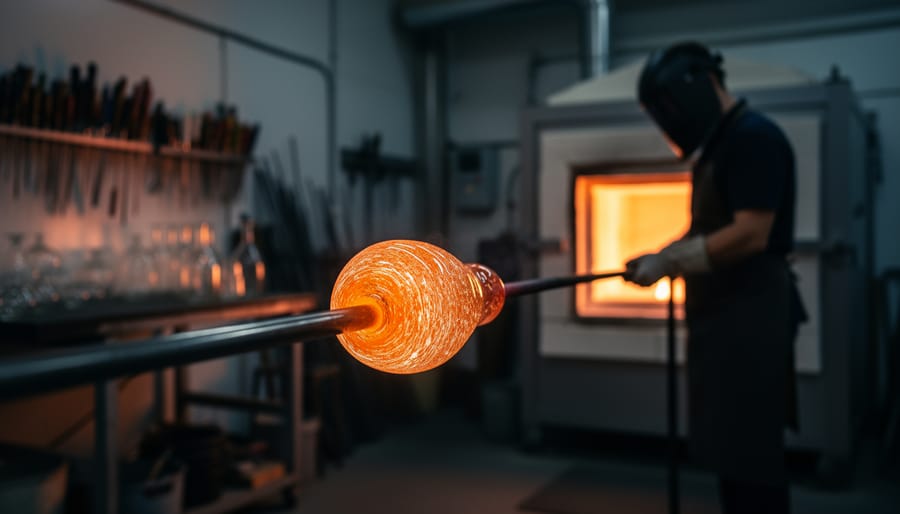
Yes, you can earn a degree in glass blowing, and in 2026 your options range from certificate programs that take as little as a few months to bachelor’s degrees spanning four years. The right choice depends on whether you’re pursuing a serious art career, opening your own studio, or simply deepening a creative passion without the full academic commitment.
Formal glass-blowing education offers structured skill progression, access to expensive equipment most hobbyists can’t afford, and invaluable mentorship from working artists who understand both technique and the realities of making a living in this field. Unlike dropping into a weekend workshop, degree programs immerse you in the craft’s history, material science, and business fundamentals alongside hundreds of hours at the furnace. Many programs also integrate complementary disciplines, from sculpture workshops to ceramics, giving you a well-rounded creative foundation.
But formal education isn’t the only path, and it’s not cheap. Tuition for bachelor’s programs often exceeds $30,000 per year at private art schools, while certificate programs at community studios might run $3,000 to $8,000 total. You’re also weighing time away from paid work, the strength of alumni networks, and whether credentials actually matter in your regional art market.
This guide walks you through what separates strong programs from mediocre ones, compares degree types with honest cost-benefit analysis, and helps you avoid the common mistakes that leave students with debt but no clear career trajectory. Whether you dream of gallery exhibitions or just want to create functional art in your own studio, you’ll find a pathway that fits.
What Makes a Glass Blowing Degree Worth Pursuing
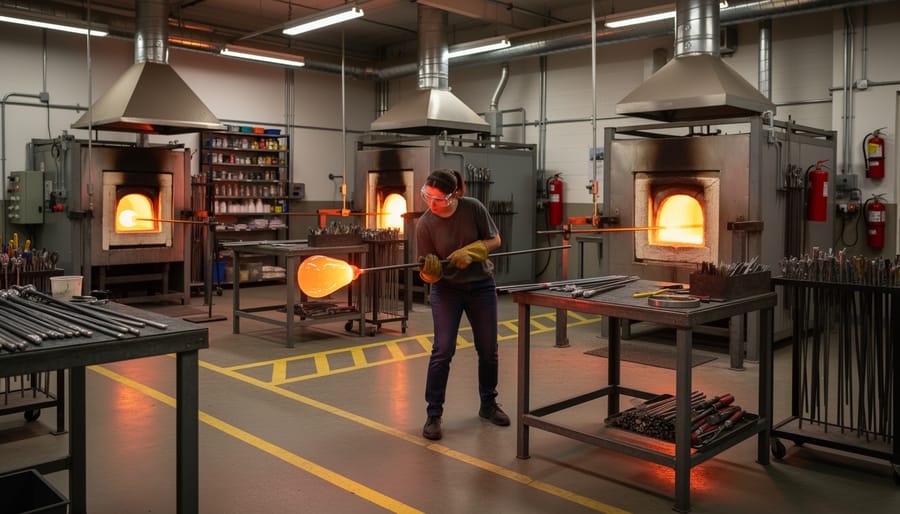
A glass blowing degree offers something workshops and YouTube tutorials can’t replicate: sustained, structured access to professional-grade equipment that would cost $50,000+ to set up at home. Working with furnaces maintaining 2,100°F temperatures isn’t something you learn safely through trial and error. Degree programs provide daily hands-on practice under expert supervision, letting you build muscle memory and technical precision over months rather than attempting to compress learning into weekend intensives.
The career advantages are concrete. Many teaching positions at community colleges and craft centers require at least a BFA, while university-level instruction typically demands an MFA. Gallery representation often hinges on the credibility that formal education provides, along with the portfolio development and critique culture built into degree programs. Studios hiring assistants actively recruit from established programs where students have proven they can maintain production schedules and handle the physical demands.
Mentorship transforms your learning curve. Working alongside accomplished artists who’ve navigated gallery systems, built sustainable studio practices, and solved countless technical problems gives you a roadmap. They’ll catch bad habits before they solidify, introduce alternative approaches when you hit creative blocks, and write the recommendation letters that open doors to residencies and exhibitions.
The community aspect shouldn’t be underestimated. Your cohort becomes your first professional network, future collaborators, studio-share partners, and mutual exhibition opportunities. Programs with strong pottery and glass-blowing courses create cross-pollination between disciplines, exposing you to ceramic artists, metal workers, and fiber artists who can inform your approach. Many graduates cite these relationships as more valuable than the degree itself, leading to collaborative projects and shared studio spaces that make sustainable art careers possible.
Essential Factors to Consider When Choosing a Glass Blowing Program
Curriculum and Specialization Options
A strong glass blowing curriculum should offer exposure to multiple techniques beyond hot glass alone. Look for programs that dedicate substantial studio hours to furnace work and blowing, but also include cold-working methods like cutting, grinding, and polishing. The best curricula teach flameworking (torch work with smaller glass rods) and kiln-forming techniques such as casting, slumping, and fusing. This technical breadth lets you discover which processes resonate most with your artistic vision.
Programs that integrate pottery and glass-blowing courses create valuable cross-pollination. You’ll learn surface treatments, form-building strategies, and firing science that translate across both media. Some schools offer hybrid studio courses where you can experiment with ceramic-glass combinations or apply glazing concepts to glass enameling. This interdisciplinary approach strengthens your overall craft literacy and opens creative possibilities you might not have considered.
Pay attention to whether the program offers formal concentrations or simply broad exposure. A sculpture concentration typically emphasizes scale, installation techniques, and conceptual frameworks examined through the accreditation review process. Functional tracks focus on production methods, vessel design, and marketable skills. If a program lacks defined tracks, review individual course descriptions to gauge whether elective options align with your goals. Strong programs also include foundational drawing, colour theory, and art history courses that inform your glass practice with critical context.
Studio Facilities and Equipment Access
When visiting prospective programs, spend serious time in the hot shop. The furnace is the heart of any glass program, you’ll need consistent access to temperatures around 2,100°F for gathering molten glass. Look for studios with multiple furnaces and glory holes (reheating chambers), which prevent bottlenecks during peak studio hours. A well-equipped program should have at least one furnace per eight students, though better ratios mean more hands-on time.
Check the annealers carefully. These ovens slowly cool finished pieces to prevent cracking, and insufficient annealer space creates frustrating delays in your workflow. Ask about cold-working equipment too: grinders, sandblasters, and polishers for finishing work are essential for developing complete technical skills.
Studio access policies matter tremendously. Programs offering 24-hour access let you work during inspiration’s unpredictable hours and accommodate different schedules, crucial for career changers and serious artists alike. Evening and weekend availability proves especially important if you’re balancing coursework with work or family.
Don’t just tour during business hours. Visit during evenings or weekends to see how crowded the space gets and whether claimed access truly exists. Talk to current students about wait times for equipment and whether they feel the facilities support their creative ambitions rather than constrain them.
Faculty Expertise and Mentorship

The quality of instruction will shape not only your technical skills but also how you think about glass as an artistic medium. Start by reviewing faculty profiles on program websites, look beyond credentials to see where instructors exhibit their work, which galleries represent them, and whether they maintain active studio practices. Artists who still create and sell work bring current market insights and real-world problem-solving into the classroom that purely academic instructors may lack.
Check recent exhibition records through gallery websites or databases like Artsy. Instructors showing in respected venues demonstrate both artistic credibility and professional networks that can benefit your career. Read artist statements to gauge their teaching philosophy, do they emphasize experimentation or traditional techniques? Conceptual approaches or functional craft?
Contact current students directly (most programs will connect you) and ask specific questions: Do professors provide one-on-one critiques? Are they accessible outside class hours? Do they help students make industry connections? The best mentors challenge your assumptions, introduce you to other artists, and remain invested in your growth beyond graduation. A professor’s exhibition history matters less than their ability to see your potential and push you toward it.
Cost, Financial Aid, and Return on Investment
Understanding the true cost of a glass blowing degree goes far beyond tuition. You’ll need to budget for materials, expect to spend $500 to $1,500 per semester on glass, frit, and consumables depending on your project ambitions. Many programs charge lab fees ranging from $200 to $800 per term to cover studio maintenance and equipment access. If you’re pursuing a BFA or MFA, factor in tools like diamond bits, safety equipment, and potentially your own hand tools, which can add another $300 to $1,000 over the course of your studies.
Tuition varies dramatically. Certificate programs at craft schools might run $3,000 to $8,000 total, while community college associate degrees typically cost $4,000 to $12,000 for in-state students. BFA programs at public universities range from $40,000 to $80,000 over four years, and private institutions can exceed $150,000. MFA programs often offer teaching assistantships or fellowships that waive tuition and provide modest stipends, sometimes the most affordable path for serious artists.
Scholarship opportunities exist but require diligence. The Glass Art Society, American Craft Council, and regional pottery and glass-blowing organizations offer awards specifically for emerging glass artists. Many schools maintain craft-specific scholarships funded by alumni and donors.
Here’s where ROI gets complicated: median earnings for glass artists hover around $35,000 to $50,000 annually, with successful independent artists and those in high-end production or teaching positions earning significantly more. Most graduates supplement studio practice with teaching, production work, or part-time employment while building their reputation and client base.
Types of Glass Blowing Degrees and Programs Compared
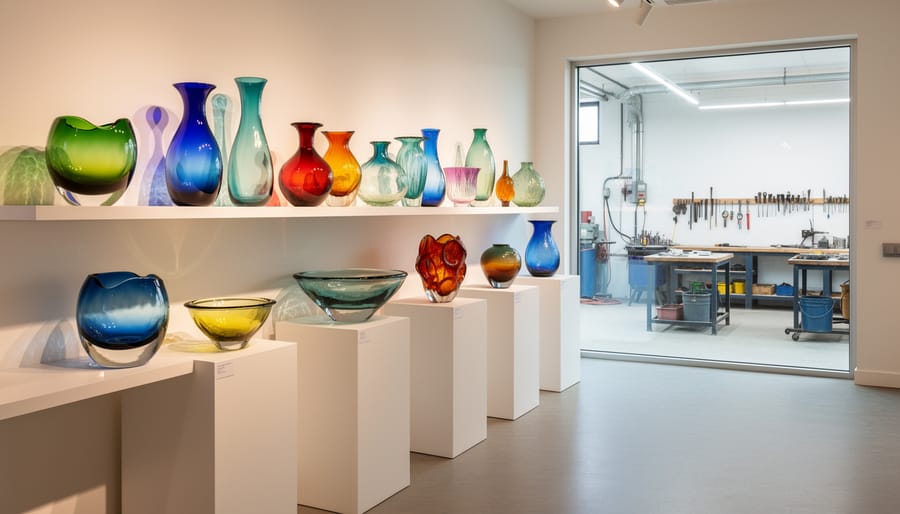
Certificate and Intensive Programs
Certificate and intensive programs typically run between two weeks and twelve months, making them the fastest entry point into glass blowing. These condensed courses focus almost exclusively on hot-glass fundamentals, gathering molten glass, blowing basic forms, and understanding annealing, without the broader art theory or liberal arts components found in degree programs.
Tuition ranges from $1,500 for a week-long workshop to $15,000 for a full-year certificate, with most programs falling in the $4,000, $8,000 range for three-to-six-month intensives. You’ll also need to budget for safety gear, basic tools, and sometimes materials fees, which can add another $500, $1,000.
These programs excel at building muscle memory and confidence at the bench, and they’re ideal if you already have a creative practice in pottery or metalwork and want to add glass techniques to your repertoire. Many successful production artists and collaborative studio members started with certificate training rather than a four-year degree.
The main limitation is depth. Certificate programs rarely cover advanced cold-working, kiln-forming, or conceptual development in detail. You’ll gain hands-on competence but won’t receive formal credentials that qualify you for college teaching positions or certain gallery opportunities.
Associate Degrees in Glass Art
Associate degrees in glass art typically span two years and focus heavily on hands-on studio time while covering fundamental art theory and design principles. These programs prioritize technical skill development, you’ll spend most of your time at the furnace, learning to gather, blow, and shape molten glass with precision. Expect a solid grounding in hot glass techniques, cold working (cutting, polishing, engraving), and kiln forming, alongside courses in color theory, drawing, and art history basics.
The accelerated timeline makes associate degrees ideal if you want to start earning income from your craft sooner. Graduates often find work in production studios creating functional glassware, assist established artists, or launch small businesses making and selling their own pieces. The trade-off is less depth in conceptual development and fewer liberal arts courses compared to a bachelor’s degree.
Tuition runs significantly lower than four-year programs, and many community colleges offer associate degrees at particularly affordable rates. If you’re confident you want to work with glass but aren’t interested in gallery representation or college teaching, this pathway gets you competent and working faster. Some students later transfer credits toward a BFA if their ambitions expand.
Bachelor of Fine Arts (BFA) in Glass
A Bachelor of Fine Arts in glass represents the gold standard for aspiring professional glass artists. These four-year programs immerse you in daily studio practice, often 20-30 hours per week at the furnace, while building the conceptual foundation that separates craftspeople from exhibiting artists. You’ll move beyond the fundamentals covered in beginner workshops to develop a personal visual language through hundreds of completed pieces.
The curriculum typically dedicates 60-70% of credits to studio work across hot glass, flameworking, kiln-forming, and cold-working techniques, with the remainder split between art history, drawing, design theory, and liberal arts courses. This balance proves essential if you plan to teach at the college level, where most positions require both studio expertise and scholarly engagement with contemporary art discourse.
Top BFA programs, Rhode Island School of Design, Alfred University, California College of the Arts, provide dedicated glassblowing facilities, visiting artist lectures, and connections to gallery networks. Graduates emerge with a cohesive portfolio, exhibition experience, and the critical thinking skills needed to articulate their work to curators and collectors. Expect to invest $40,000-$60,000 annually at private institutions, though merit scholarships and teaching assistantships can offset costs for talented applicants.
Master of Fine Arts (MFA) Programs
MFA programs represent the pinnacle of glass blowing education and serve as the gateway to college-level teaching positions and prestigious gallery representation. These terminal degrees typically span two to three years of intensive studio work, critical theory, and independent research culminating in a thesis exhibition.
The competitive nature of top MFA programs, with acceptance rates often below 10%, reflects their role in shaping the next generation of influential glass artists. You’ll spend the majority of your time developing a cohesive body of work that demonstrates conceptual depth and technical mastery, supported by one-on-one critiques with nationally recognized faculty.
Most programs offer full or partial funding through teaching assistantships, research positions, or fellowships that cover tuition and provide modest stipends. This financial support makes MFA education surprisingly accessible compared to unfunded master’s degrees in other fields. Teaching assistantships also provide crucial classroom experience for those pursuing academic careers.
The thesis requirement pushes you to articulate your artistic vision in both written and visual forms, preparing you for gallery proposals, grant applications, and artist statements. Successful graduates emerge with a professional network, exhibition record, and the credibility to command higher prices for their work.
Top Recommendations for Different Goals and Budgets

Best Programs for Career Changers and Hobbyists
If you’re exploring glass blowing while maintaining a full-time career or simply pursuing it as a serious hobby, several programs cater specifically to your needs. The Pilchuck Glass School in Washington offers intensive two-week summer sessions that fit neatly into vacation schedules, allowing you to learn from renowned artists without leaving your job. Urban Glass in Brooklyn runs evening and weekend courses year-round, creating a supportive community of working professionals who share your passion. Their flexible scheduling means you can build skills progressively without committing to a full degree. The Corning Museum of Glass provides week-long intensives designed for adult learners, combining hands-on practice with art historical context.
For those seeking structured progression without formal enrollment, many regional craft centers like Penland School of Craft and Haystack Mountain School of Crafts offer certificate tracks through accumulated workshop credits. These programs emphasize collaborative learning and often lead to faster confidence than traditional semester-based courses. Success stories abound, many hobbyists transition into part-time studio artists or teaching roles after completing just a few intensive sessions, building their practice around existing careers rather than abandoning them entirely.
Top Choices for Professional Artists in Training
If you’re committed to becoming a professional studio artist or pursuing gallery representation, you’ll want to target programs with rigorous curricula and exceptional facilities. The Rhode Island School of Design (RISD) and Alfred University consistently produce alumni who secure major gallery shows and teaching positions, though their acceptance rates hover around 15-20% and require portfolio submissions demonstrating strong foundational skills across multiple media, not just glass.
California College of the Arts and Rochester Institute of Technology offer similarly intensive BFA programs with dedicated glass departments, extensive studio hours, and connections to the contemporary art world. Expect to submit 15-20 portfolio pieces, artist statements, and multiple recommendation letters. These programs typically maintain student-to-faculty ratios below 8:1, ensuring personalized mentorship from established artists.
For MFA candidates, Pilchuck Glass School’s summer residencies complement degree programs at institutions like University of Wisconsin-Madison, known for graduates who’ve exhibited at Corning Museum of Glass and Venice Biennale. Funding packages at top MFA programs often cover full tuition plus stipends, making them financially competitive with shorter programs, though competition for these spots is fierce, with acceptance rates sometimes dropping below 10%.
Budget-Friendly Pathways to Glass Blowing Education
You don’t need a prestigious art school to build real skills. Community colleges across the country offer associate degrees and certificate programs in glass art for a fraction of university costs, often under $5,000 per year for in-state students. Look for programs with open studio hours that let you practice beyond class time.
Regional craft schools like Penland School of Craft and Pilchuck Glass School run intensive one- to two-week workshops taught by master artists. While not degrees, these $800-$2,500 sessions build specific techniques fast and create valuable mentor connections. Stack several workshops over time to develop a comprehensive skill set.
Apprenticeships with established studio artists offer hands-on training in exchange for studio assistance. You’ll learn production workflows and business realities while building your portfolio. Search for opportunities through craft guilds and the Glass Art Society’s job board.
Community studios with membership models provide equipment access for monthly fees, letting you practice independently after taking introductory classes. This path requires self-discipline but costs significantly less than degree programs while offering the furnace time you need to improve.
Common Mistakes to Avoid When Choosing a Glass Program
Selecting a glass blowing program is a significant investment, and many aspiring artists stumble over the same preventable mistakes. Understanding these pitfalls before you commit can save you thousands of dollars and years of frustration.
The biggest error is choosing a program based on location convenience alone. While staying close to home might seem practical, a mediocre program nearby will never serve you as well as a top-tier school that requires relocation. Geographic convenience matters far less than curriculum quality, equipment access, and faculty expertise. If you’re serious about glass as a career, prioritize educational value over proximity.
Another common mistake is underestimating the true cost of your education. Many prospective students focus solely on tuition and overlook the substantial additional expenses that glass programs require. Material fees, tool purchases, protective equipment, and studio time charges can easily add 30 to 50 percent to your total educational costs. Always request a complete breakdown of fees beyond tuition, and factor in whether you’ll need your own tools or can rely on shared equipment post-graduation.
Overlooking accreditation and safety training standards is equally problematic. Not all craft programs meet professional safety standards, and inadequate safety education can lead to serious injuries. Glass blowing involves extreme heat, sharp edges, and toxic materials that demand rigorous safety protocols. Programs that transform beginners into confident professionals emphasize safety from day one.
Several other critical mistakes derail students regularly:
- Ignoring the quality and comprehensiveness of safety training programs
- Not visiting studio facilities in person before committing to enrollment
- Underestimating the significant physical demands of daily glass work
- Overlooking alumni career outcomes and employment rates
- Failing to investigate post-graduation studio access and residency opportunities
That final point deserves emphasis. Graduating without a plan for continued studio access leaves many artists unable to practice their craft. Before enrolling, ask whether the program offers alumni studio time, affordable rental options, or connections to shared workspaces. The best programs maintain relationships with their graduates and help them transition into sustainable studio practices.
Finally, don’t rush your decision based on application deadlines alone. Taking an extra semester to thoroughly research programs, visit campuses, and connect with current students will yield far better outcomes than hastily choosing the first program that accepts you.
Frequently Asked Questions About Glass Blowing Degrees
Do I need prior art experience to enroll in a glass blowing program?
Most certificate and associate degree programs accept complete beginners with no prerequisite experience, as they’re designed to teach fundamentals from the ground up. BFA programs typically review portfolios but often accept students showing creative potential across any medium, while MFA programs expect demonstrated artistic practice and a cohesive body of work in glass or a related discipline.
What are the physical requirements for glass blowing?
Glass blowing demands moderate physical stamina, as you’ll stand for extended periods, work near high heat, and manipulate heavy tools and molten glass. Most people of average fitness can build the necessary strength and heat tolerance over time, though conditions like severe heat sensitivity or limited mobility in arms and shoulders may present challenges, visiting a studio before committing helps you assess your comfort level honestly.
Can I learn glass blowing online?
True hot glass work cannot be taught online because it requires hands-on practice with furnaces, molten material, and real-time instructor correction for safety and technique. Some programs offer hybrid formats where art history, design theory, and business courses happen online while studio sessions occur in person, but expect the majority of your education to take place at a physical facility with proper equipment.
How long until I can create work that’s good enough to sell?
With consistent practice in a structured program, many students produce saleable functional pieces like ornaments or simple vessels within six months to a year, though mastery of complex sculptural work takes several years. Your timeline depends on natural aptitude, practice hours, instructor feedback quality, and whether you focus on production work or one-of-a-kind art pieces, starting with simpler designs builds both skill and confidence.
What are realistic salary expectations after graduation?
Entry-level production glass blowers and studio assistants typically earn between $25,000 and $40,000 annually, while those running their own studios see highly variable income based on sales volume, gallery representation, and commissioned work. Teaching positions at community colleges or universities with an MFA can offer $45,000 to $70,000 plus benefits, making them attractive for artists who want stable income alongside their creative practice.
How does glass blowing training integrate with pottery and other craft skills?
Many comprehensive craft programs combine glass blowing with ceramics, metalworking, and woodworking in their curriculum, allowing you to develop a multi-disciplinary practice that enriches your design vocabulary and opens collaborative opportunities. The overlapping principles of heat management, material transformation, and art skill building across crafts make cross-training valuable, and hybrid artists often find unique market niches that purely specialized makers cannot fill.
Beyond these common concerns, prospective students frequently wonder about workspace requirements after graduation. If you plan to set up your own studio, understand that hot glass equipment represents a significant capital investment, a basic furnace setup costs $15,000 to $50,000, plus monthly gas bills and maintenance. Many graduates join cooperative studios or work as resident artists at established facilities to access equipment while building their client base and financial foundation. This collaborative approach mirrors the supportive community ethos that makes craft education rewarding beyond just technical training, connecting you with fellow makers who share resources, exhibition opportunities, and creative inspiration throughout your career journey.
Choosing the right glass blowing program isn’t about finding the single “best” option, it’s about discovering the path that aligns with your creative vision, financial reality, and long-term aspirations. Whether you’re drawn to a two-year certificate for quick skill-building or a comprehensive MFA for serious artistic development, the perfect fit exists when the program’s offerings match your personal goals and circumstances.
Before making your final decision, invest time in experiencing programs firsthand. Visit studios during open sessions, attend student exhibitions, and reach out to current learners and recent graduates. Their honest insights about daily studio life, instructor accessibility, and post-graduation support will reveal details no brochure can capture. Ask about the challenges they faced, the connections they made, and whether they’d choose the same path again.
Trust your creative instincts throughout this process. If a program’s philosophy resonates with you during a campus visit, that connection matters. If the work produced by students inspires you, that’s a meaningful signal. Your enthusiasm and commitment will drive your success far more than any program’s reputation alone.
Remember that your education doesn’t end with your degree. The craft community, including supportive networks like Bush Furniture Worldwide, thrives on collaboration, mentorship, and shared learning. Your formal training is just the beginning of a lifelong journey in glass. Choose a program that not only teaches technique but also connects you to a community that will support your growth for years to come.